EV Shipping Guide: How to Transport Your Tesla, Rivian, or EV Safely
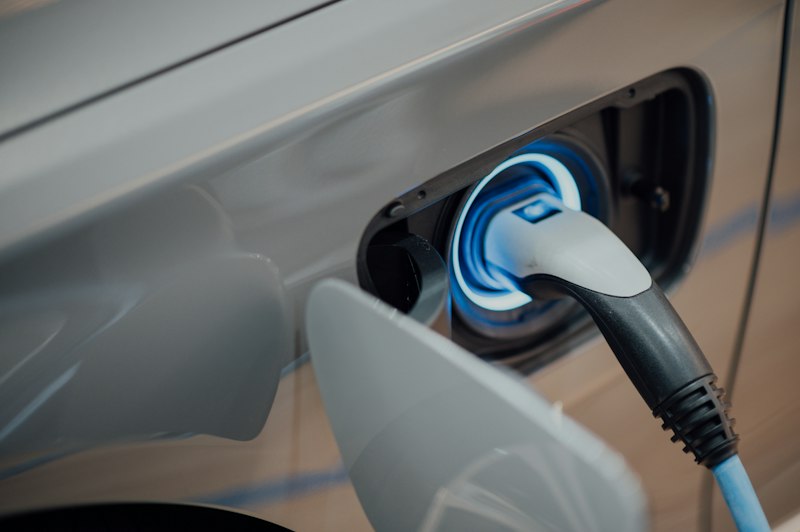
Shipping an EV is mostly the same as shipping any other car — but there are a few critical differences that every Tesla, Rivian, or EV owner should know before booking.
The Most Important Step: Tow Mode / Transport Mode
This is the #1 thing EV owners get wrong. Many EVs have a "Tow Mode" or "Transport Mode" that must be enabled before loading onto a carrier. Without it, the regenerative braking system can create resistance during loading, potentially causing the vehicle to roll forward unexpectedly. Here's how to enable it by brand:
- Tesla — Controls → Service → Tow Mode (Model 3/Y: Controls → Service). Also enable Valet Mode to limit speed.
- Rivian — Settings → Vehicle → Transport Mode. This locks the suspension and disables regen braking.
- Ford F-150 Lightning — Ensure the truck is in a neutral configuration before loading.
- Other EVs — Check your owner's manual under "towing" or "transport." Call your dealership if unsure.
What Battery Level Should Your EV Be At?
The ideal charge level for shipping is 15–30%. Here's why:
- Enough power to enable transport mode and any required onboard systems
- Low enough to reduce battery stress during temperature changes in transit
- Not so depleted that the vehicle can't be maneuvered at the carrier
Never ship at 100% — high state-of-charge combined with temperature extremes can stress the battery chemistry. Never ship fully dead — a completely dead EV may not enable transport mode (though loading is still possible with wheel-lift equipment).
Can You Ship a Tesla with a Dead Battery?
Yes. A Tesla with a depleted battery can still be transported safely. Carriers use wheel-lift systems that roll the vehicle onto the trailer without requiring the drivetrain to be active. The same applies to other EVs.
Open vs. Enclosed for EVs
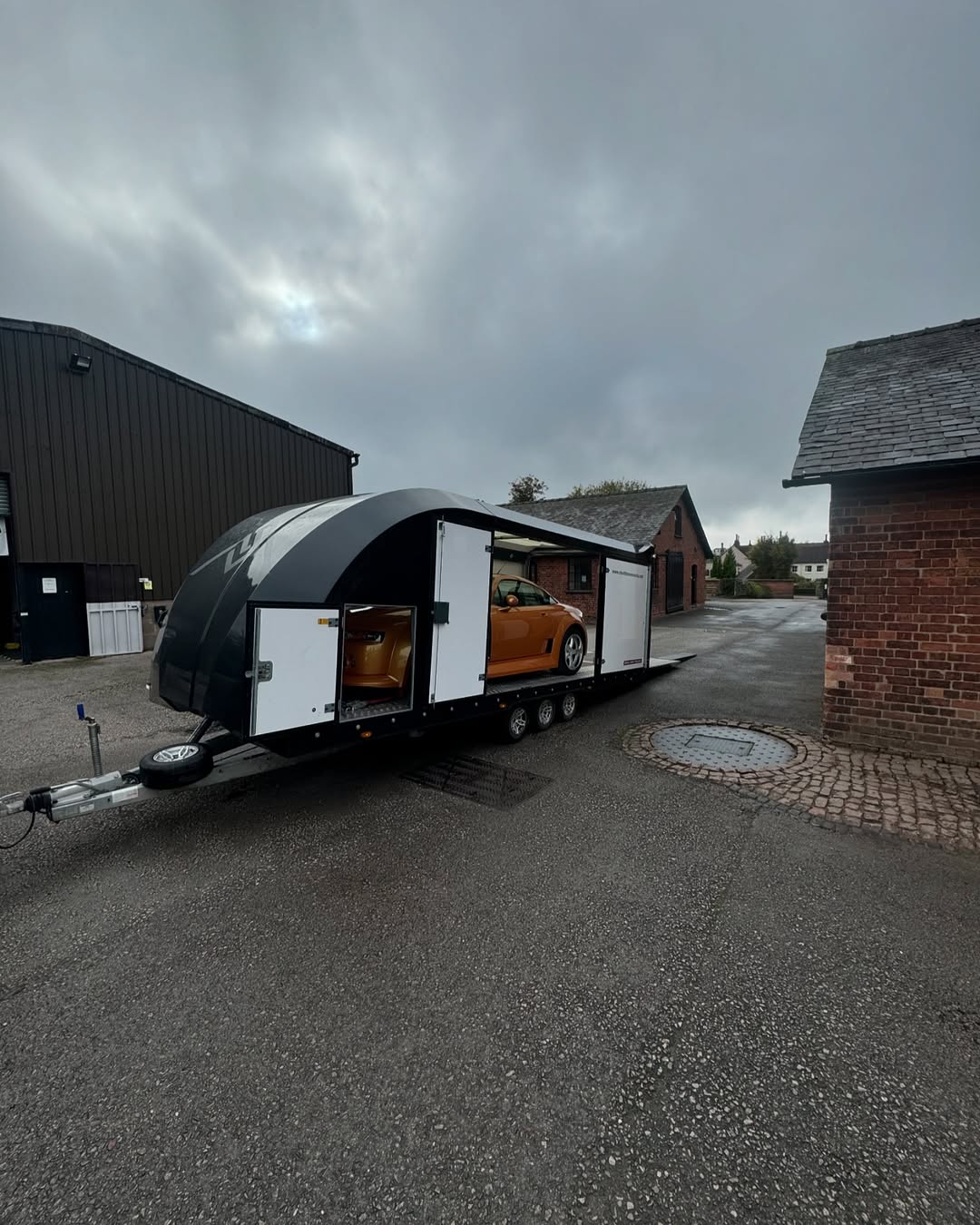
Open transport is safe for most EVs. The battery pack is sealed, weatherproof, and located under the floor — protected from road debris and rain. You only need enclosed if you have a high-value EV (Lucid Air, Tesla Model S Plaid, Rivian) where you want extra protection from road debris on the body.
EV-Specific Shipping Checklist
- Set battery to 15–30% charge
- Enable Tow Mode / Transport Mode
- Disable the alarm system
- Remove charging cables and adapters
- Take photos of the battery indicator on the dashboard before handoff
- Note any existing range or battery issues on the Bill of Lading
Ready to Ship Your Vehicle?
Free instant quote — no deposit required. FMCSA licensed — DOT #4445336.
Get Free Quote →Vehicle Transport In Action
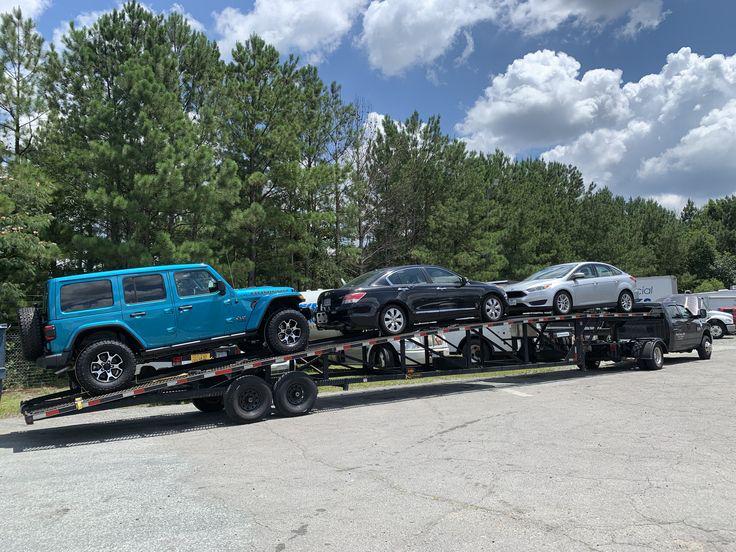
Real shipments handled by the UWON Carriers nationwide network.