How to Prepare Your Car for Transport (10-Point Checklist)

Proper preparation before your car is picked up protects both your vehicle and your claim rights if anything goes wrong. Follow this 10-point checklist to be fully ready.
The 10-Point Pre-Shipping Checklist
Wash your car
A clean car makes it easy to document every existing scratch, dent, or chip on the Bill of Lading. The driver will inspect your vehicle before loading — a clean surface ensures nothing is missed.
Document its condition thoroughly
Take photos from all angles before pickup: front, rear, both sides, roof, interior, dashboard, and odometer. Timestamp the photos. This is your protection if any dispute arises.
Leave only ¼ tank of gas
Enough fuel to drive on and off the carrier, but not so much that the extra weight adds cost or creates a fire hazard on a fully loaded trailer.
Remove all personal belongings
Carriers are not insured for personal items inside your vehicle. Remove everything from the interior, trunk, and roof rack. GPS units, electronics, and valuables especially.
Disable or deactivate your car alarm
Car alarms triggered during transport can drain your battery. Disable the alarm or provide the deactivation code to the driver before pickup.
Check for fluid leaks
Inspect for oil, coolant, or transmission fluid leaks. Active leaks can damage other vehicles on the carrier and may result in your vehicle being refused for transport.
Check tire pressure
Tires should be at the recommended PSI for transport. Under-inflated tires can cause issues when the vehicle is driven on and off the trailer.
Retract or remove antennas
Retractable antennas should be pulled in. Aftermarket antennas may need to be removed to prevent damage during loading on enclosed carriers.
Note any existing damage in writing
When the driver arrives with the Bill of Lading, review it carefully and note any pre-existing damage before signing. Never sign a blank Bill of Lading.
Have the car accessible
Make sure the carrier truck can access your pickup address. Long driveways, low-hanging trees, and tight streets may require meeting the driver at a nearby parking lot.
What to Expect at Pickup
When the driver arrives, they will conduct a walk-around inspection of your vehicle and fill out the Bill of Lading — a legal document that records the vehicle's condition at pickup. Review every note carefully before signing. If the driver notes damage that doesn't exist, dispute it in writing before they leave.
After signing, you'll receive a copy of the Bill of Lading. Keep it safe — you'll need it at delivery to compare the vehicle's condition and file any claims if needed.
What to Do at Delivery
At delivery, conduct the same thorough inspection before signing the final Bill of Lading. If you notice any new damage (damage not on the pickup Bill of Lading), document it with photos immediately and note it in writing on the delivery Bill of Lading before signing. Contact Uwon Carriers to initiate the claims process.
Ready to Ship Your Vehicle?
Free instant quote — no deposit required. FMCSA licensed — DOT #4445336.
Get Free Quote →Vehicle Transport In Action
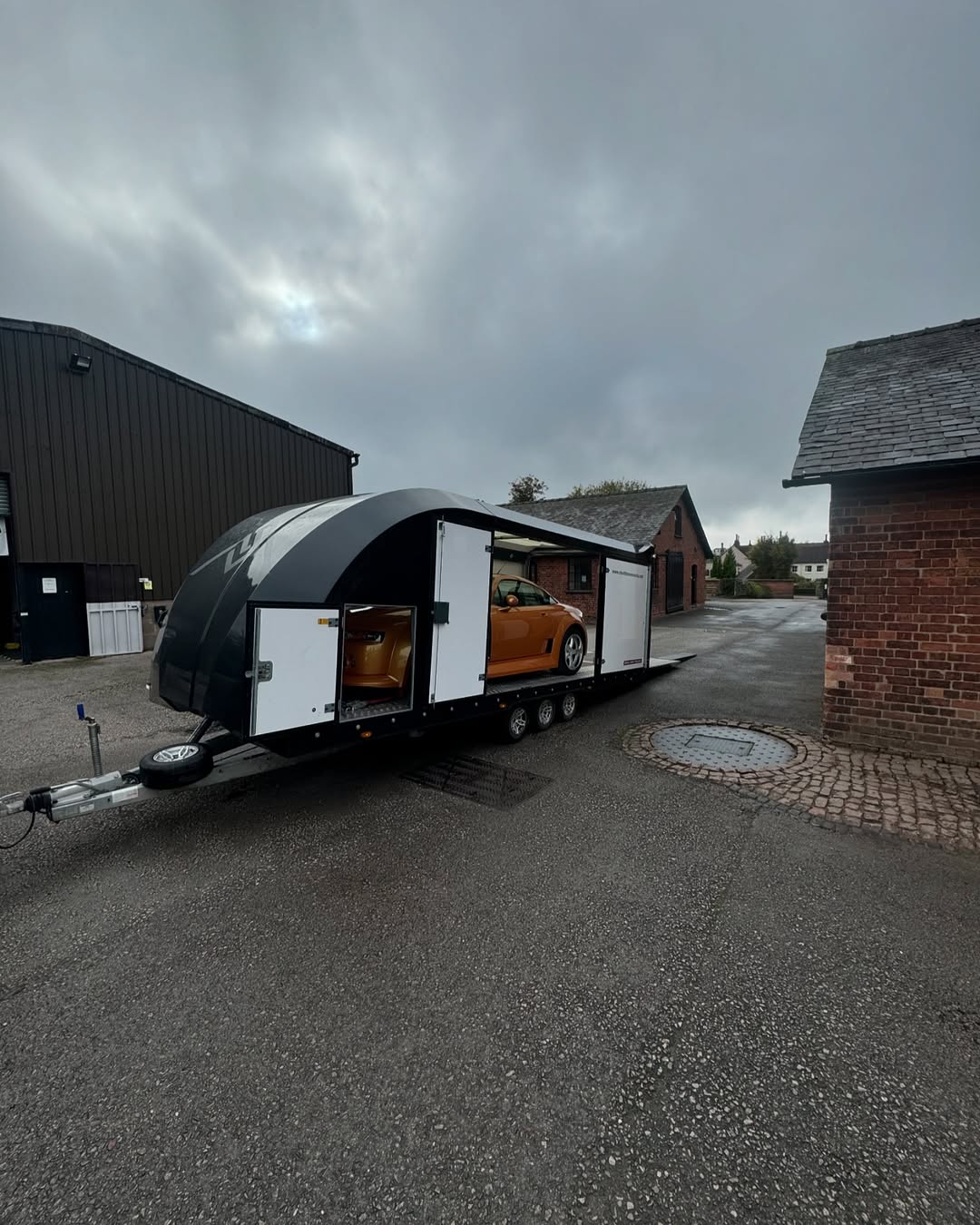
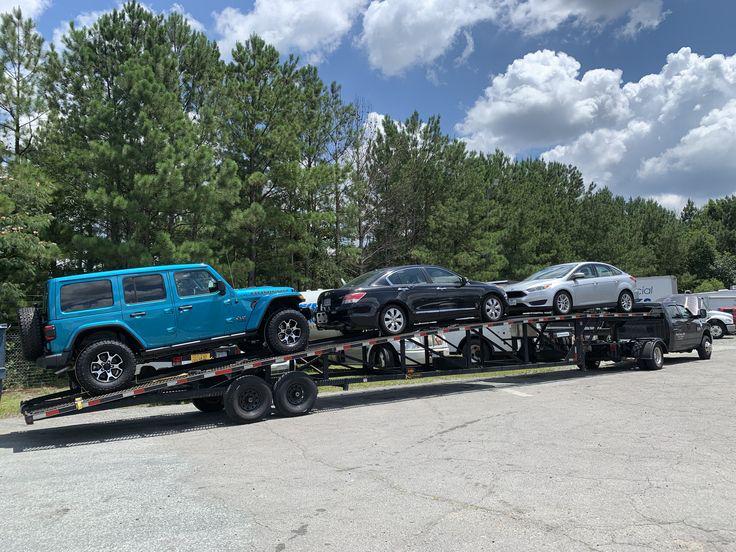
Real shipments handled by the UWON Carriers nationwide network.