How AI Will Change Car Shipping: The Future of Auto Transport

Artificial intelligence is quietly rewriting the rules of auto transport — from how loads are posted and matched, to how prices are calculated, to how customers get quotes. Here's a comprehensive look at every layer of the industry being transformed, and what it means for anyone shipping a car in 2026 and beyond.
The Auto Transport Industry Today: A Data Problem Waiting for AI
The car shipping industry moves approximately 35 million vehicles per year in the United States. Yet until recently, it operated largely on manual processes: brokers calling carriers, carriers browsing load boards manually, and pricing based on gut feel and experience rather than data. That's changing rapidly.
AI excels at exactly what auto transport lacks: real-time pattern recognition across massive data sets — fuel prices, carrier locations, route demand, weather, and seasonal shifts — to make better decisions faster than any human dispatcher.
1. Central Dispatch: The Load Board AI Is Transforming
Central Dispatch is the dominant load board platform in the US auto transport industry. It's where licensed freight brokers (like Uwon Carriers) post vehicle shipments, and where carriers browse and bid on loads. Think of it as the MLS of car shipping — every vehicle that gets transported nationally is almost certainly listed on Central Dispatch at some point in the process.
Currently, Central Dispatch relies heavily on manual carrier matching — brokers post a load, and carriers bid or contact the broker. AI is beginning to change this:
- Predictive carrier matching: AI algorithms analyze which carriers run which lanes (specific routes) based on historical data, and proactively surface the best-matched carriers for a given load — before the broker even has to search.
- Price intelligence: Instead of pricing loads based on experience alone, AI-driven load board tools analyze current supply (how many carriers are available on a given lane) and demand (how many loads are posted) in real time, suggesting competitive listing prices that get a carrier assigned faster.
- Fraud detection: AI models flag suspicious carrier behavior — newly registered MC numbers, unusual bidding patterns, and identity inconsistencies — protecting brokers from working with fraudulent carriers.
- Route optimization signals: By analyzing carrier movement data, AI identifies underserved lanes (routes with few carriers) early, allowing brokers to price strategically before supply tightens.
2. Super Dispatch: AI in Carrier Operations and BOL Management
Super Dispatch is the leading Transportation Management System (TMS) used by auto transport carriers. It replaces the paper Bill of Lading (BOL) with a digital, photo-documented workflow — carriers inspect vehicles at pickup and delivery using their smartphones, capturing photos of every panel, and the customer signs digitally.
Here's how AI is being integrated into Super Dispatch and similar TMS platforms:
- Computer vision for vehicle inspection: AI models trained on millions of vehicle photos can automatically detect and categorize pre-existing damage — scratches, dents, chips — during the pickup inspection. This creates an objective, AI-verified condition report that protects both the carrier and the customer at delivery.
- Automated damage classification: Instead of a driver writing "small scratch on driver door," AI tags the damage with severity, location (using a standardized vehicle diagram), and photo reference — creating a legally defensible record that speeds up insurance claims if damage occurs.
- Predictive maintenance alerts: For carriers managing large fleets, AI monitors trailer sensor data and flags maintenance needs before breakdowns occur — reducing the chance your vehicle sits stranded on a carrier trailer waiting for a repair.
- Route planning and fuel optimization: AI calculates the most fuel-efficient routes considering trailer weight, highway grades, fuel prices at specific truck stops, and expected traffic — reducing carrier operating costs, which in turn moderates shipping prices for customers.
- ETA prediction: Rather than "delivery window of 3–7 days," AI-powered TMS platforms can predict delivery with 6–12 hour accuracy by factoring in real-time traffic, driver hours-of-service (HOS) regulations, and historical route data.
3. AI-Powered Pricing: The End of Opaque Quotes
Traditional auto transport pricing was a black box — brokers quoted based on experience, market sense, and what they thought a customer would accept. AI is making pricing transparent and data-driven.
Modern AI pricing engines for auto transport analyze:
- Current fuel prices by region
- Real-time carrier supply on the specific route
- Historical booking patterns by season, day of week, and origin/destination pair
- Vehicle size and weight (larger vehicles reduce carrier capacity)
- Pickup flexibility (exact date vs. window — flexible customers get better prices)
- Current weather affecting specific routes
Uwon Carriers' own AI shipping calculator uses a simplified version of this model — estimating distance and applying our pricing formula in real time — giving customers a transparent, data-backed range before they even talk to a human.
4. AI Chatbots and Customer Service Automation
Auto transport brokers traditionally relied on call centers to handle quote requests, follow-ups, and customer questions. AI is automating most of this:
- Conversational quote collection: AI agents (like Quinn, our chat widget) can collect all shipment details — pickup, delivery, vehicle, condition — in a natural conversation and generate accurate price ranges without human involvement.
- Lead qualification: AI scores inbound inquiries based on likelihood to book, allowing human agents to prioritize the most valuable conversations.
- Automated status updates: AI systems can automatically message customers with pickup confirmations, in-transit updates, and delivery ETAs — reducing "where is my car?" calls to customer service by up to 70%.
- Natural language processing for reviews: AI monitors customer reviews across platforms (Google, TransportReviews, BBB) and categorizes sentiment — identifying the most common complaints so operations teams can address systemic issues.
5. Machine Learning for Carrier Vetting and Risk Scoring
One of the biggest risks in auto transport is working with an under-insured or fraudulent carrier. AI is transforming how brokers vet their carrier networks:
- Real-time FMCSA monitoring: Instead of manually checking carrier authority and insurance status, AI systems continuously monitor FMCSA databases and flag any status changes — a lapsed insurance policy, a downgraded safety rating, or a new out-of-service order — the moment they appear.
- Risk scoring: Machine learning models analyze carrier safety records, accident rates, inspection histories, and customer complaint patterns to generate a composite risk score — giving brokers an objective way to prioritize the safest carriers for high-value shipments.
- Behavioral pattern detection: AI identifies carriers whose pickup and delivery behavior deviates from normal patterns — unusual route detours, extended stops, or erratic speed profiles that might indicate a problem in transit.
6. Autonomous and Semi-Autonomous Transport: The Long Game
The most transformative — and most distant — AI application in auto transport is autonomous vehicle operation. Within the next 10–15 years, the industry could see:
- Autonomous car-hauler trucks: Self-driving 9-car carrier trucks on interstate routes, reducing driver costs (which represent 35–40% of a carrier's operating expense) and potentially lowering shipping prices by 25–35%.
- Platooning: AI-coordinated carrier convoys where a lead truck drives manually and following trucks maintain automated formation — improving fuel efficiency by 10–15% through aerodynamic drafting.
- Last-mile delivery robots: For terminal-to-terminal shipments, small autonomous vehicles could handle local delivery from a regional terminal to a customer's door — enabling true door-to-door automation.
These aren't science fiction. Waymo and Aurora are already running autonomous freight trucks commercially on specific routes. The technology for carrier trucks is 5–10 years behind passenger vehicles, but it's coming.
7. Blockchain and Smart Contracts for Auto Transport
AI and blockchain are beginning to converge in logistics:
- Automated payment release: Smart contracts can automatically release carrier payment when a GPS-verified delivery is confirmed and both pickup and delivery BOLs are digitally signed — eliminating the 15–30 day payment delays that strain many carriers.
- Immutable vehicle history: Blockchain-recorded inspection photos and condition reports create a tamper-proof vehicle history that follows the car — useful for dealers, auction houses, and subsequent buyers.
- Carrier identity verification: Decentralized identity platforms allow carriers to maintain a verifiable, portable reputation record — their MC number, insurance history, and verified customer reviews — that can't be manipulated.
What This Means for Car Shipping Customers in 2026
You're already benefiting from AI in auto transport, even if you don't realize it. When you:
- Get an instant online quote — that's AI pricing
- Chat with a bot that collects your shipment details — that's AI customer service
- Get a real-time delivery ETA — that's AI route prediction
- Receive digital photos of your car's condition at pickup — that's AI-assisted documentation
The auto transport industry is one of the last major logistics verticals to fully digitize. That transition is happening now — and AI is the engine driving it.
At Uwon Carriers LLC, we use AI-powered quote generation, automated carrier vetting tools, and digital documentation workflows to give customers a faster, more transparent shipping experience. Get a free instant quote today.
Ready to Ship Your Vehicle?
Free instant quote — no deposit required. FMCSA licensed — DOT #4445336.
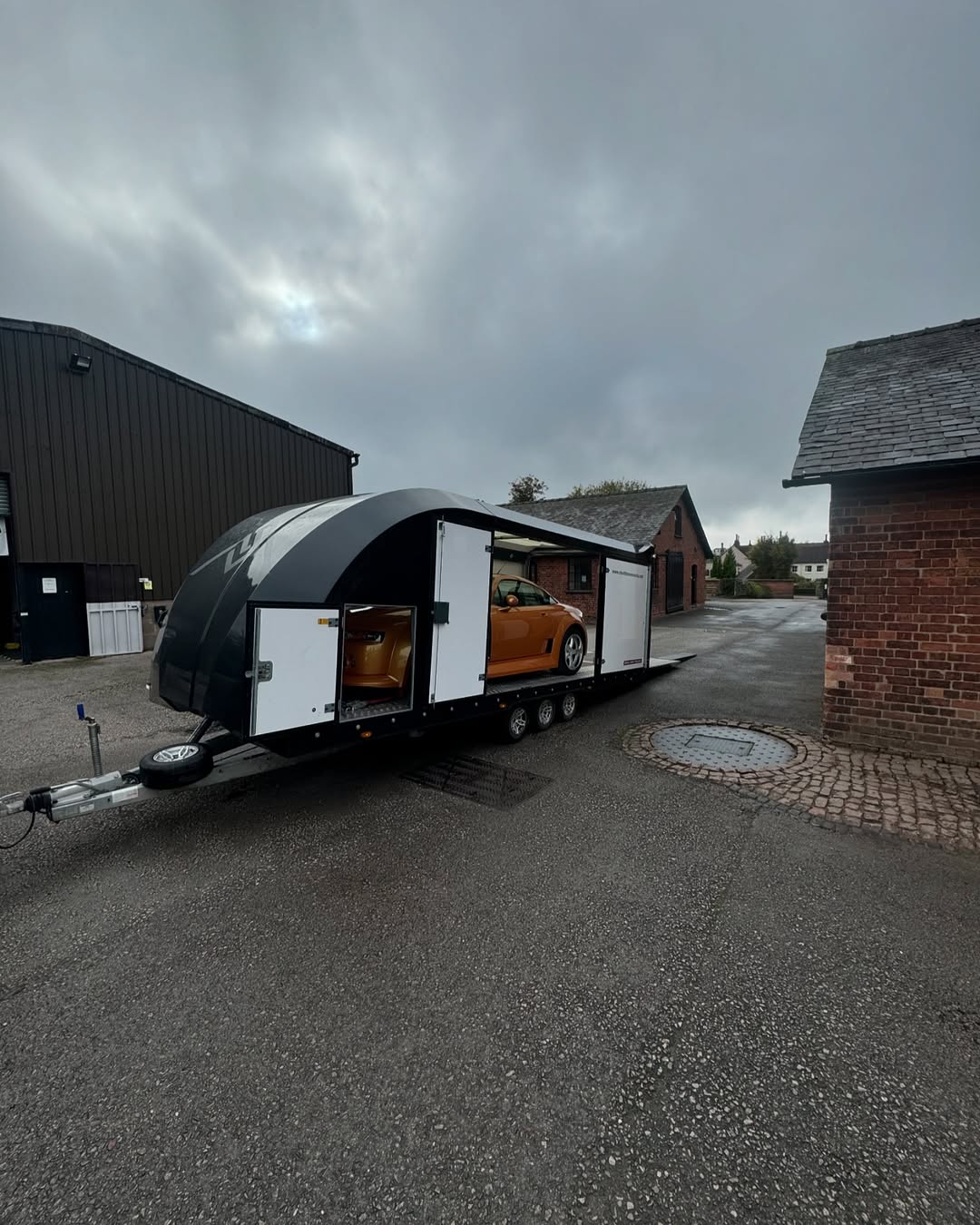
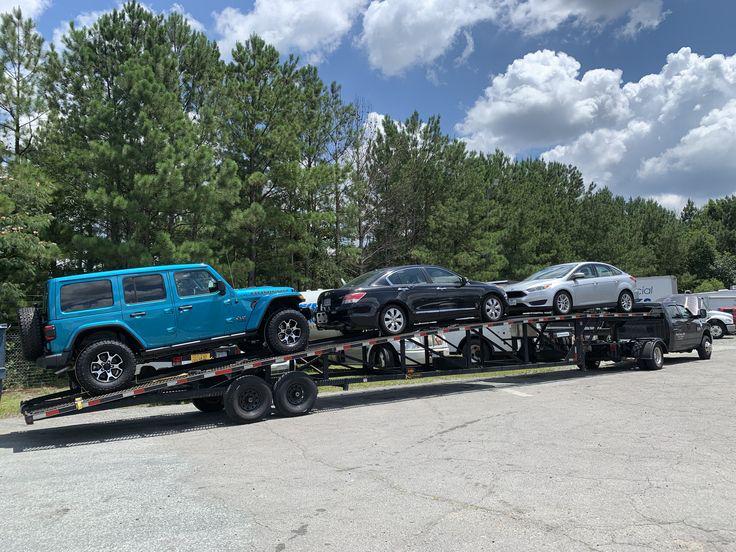
Get Free Quote →Vehicle Transport In Action
Real shipments handled by the UWON Carriers nationwide network.