Shipping a Non-Running Car: Everything You Need to Know

Your car doesn't need to run for us to move it. Non-running vehicle transport is more common than you'd think — barn finds, flood-damaged cars, project vehicles, and breakdowns are shipped every day. Here's exactly how it works and what you need to disclose.
What Counts as a "Non-Running" Vehicle?
A vehicle is considered non-running (or inoperable) if it cannot be driven under its own power onto the carrier's trailer. This includes:
- Engine won't start or crank
- Transmission failure (can't engage gear)
- No brakes or steering
- Missing or flat tires that cannot be inflated
- Flood or fire damage
- Project cars with engine or drivetrain removed
- Vehicles on jack stands with wheels removed
How Non-Running Cars Are Loaded
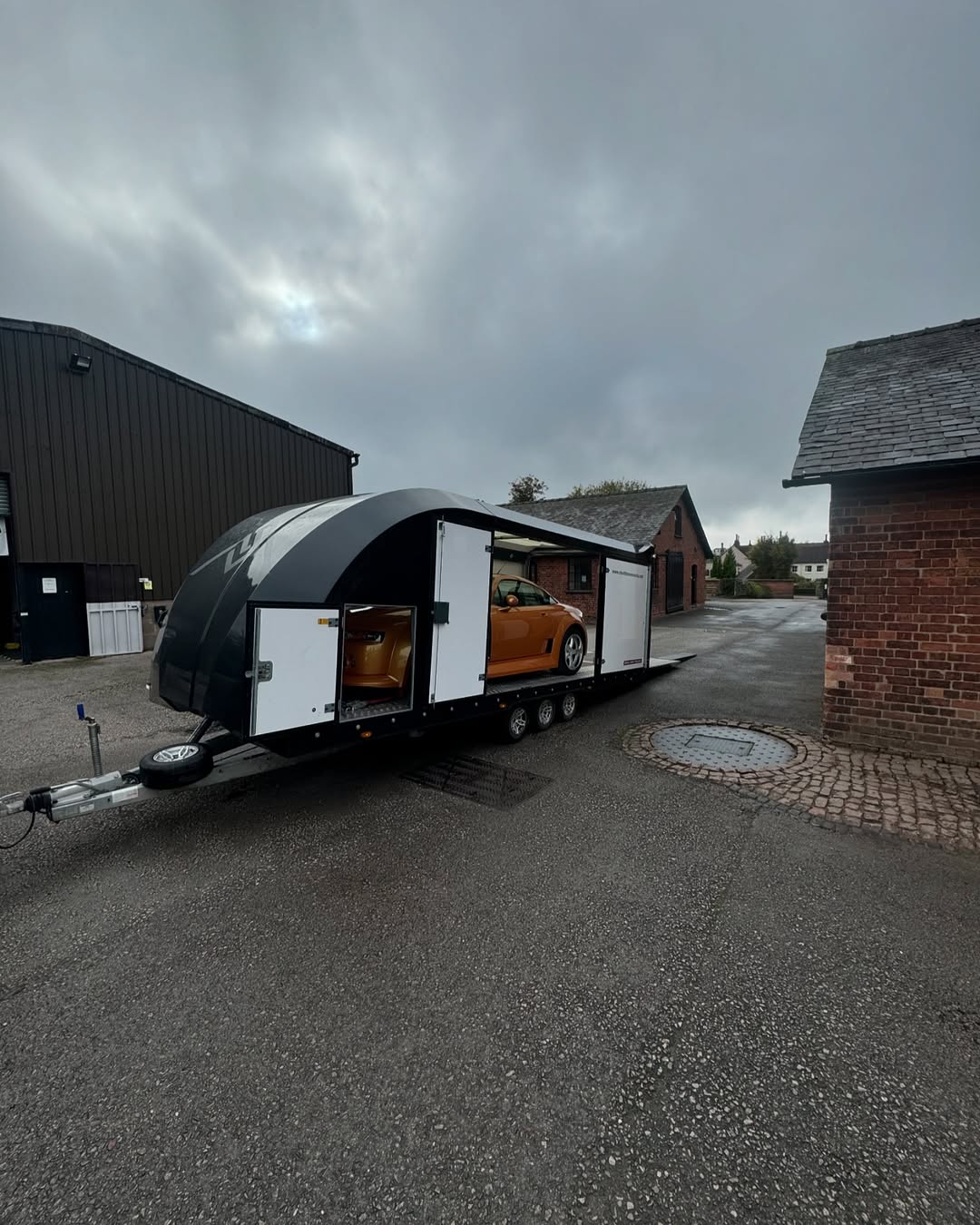
Carriers that handle inoperable vehicles use one or more of the following methods depending on the condition:
- Winch loading: A soft-pull cable attaches to the vehicle's frame and winches it up the trailer ramp. No chains on bodywork — this is the most common method for no-start vehicles that still roll.
- Dollies: For vehicles without wheels, a dolly system lifts the vehicle and allows it to be rolled onto the trailer without its own tires. This requires specialized equipment and advance coordination.
- Forklift/skid system: For vehicles with extreme damage or without any wheels, a forklift-style system can place the vehicle on the trailer. Very rare — requires specific carriers.
What to Disclose When Booking
This is critical: the more accurately you describe the vehicle's condition, the better we can match you with a carrier who has the right equipment. Failing to disclose a non-running condition can result in the carrier arriving unprepared and being unable to load your vehicle.
Tell us:
- Does the vehicle roll freely? (Yes / No / With push)
- Does it steer? (Yes / No — if no, winching direction is limited)
- Are all four wheels present? Do they spin?
- Is it on jack stands / blocks?
- What is the approximate ground clearance?
- What is the cause of the non-running condition?
Non-Running Car Shipping Cost
Non-running vehicle transport typically costs $100–$300 more than standard transport for the same route. This surcharge reflects the additional equipment and time required for loading. Specific costs:
- Standard non-runner surcharge (rolls and steers): +$100–$150
- No-steer / no-brake surcharge: +$150–$250
- Missing wheels / forklift required: +$200–$400 (specialty carrier needed)
Is a Non-Running Car Insured During Transport?
Yes — carrier cargo insurance applies regardless of whether the vehicle runs. The value is based on fair market value of the vehicle in its current condition. If you have classic car insurance or stated-value coverage on a project vehicle, maintain that policy during transport for supplemental protection.
Ready to Ship Your Vehicle?
Free instant quote — no deposit required. FMCSA licensed — DOT #4445336.
Get Free Quote →Vehicle Transport In Action
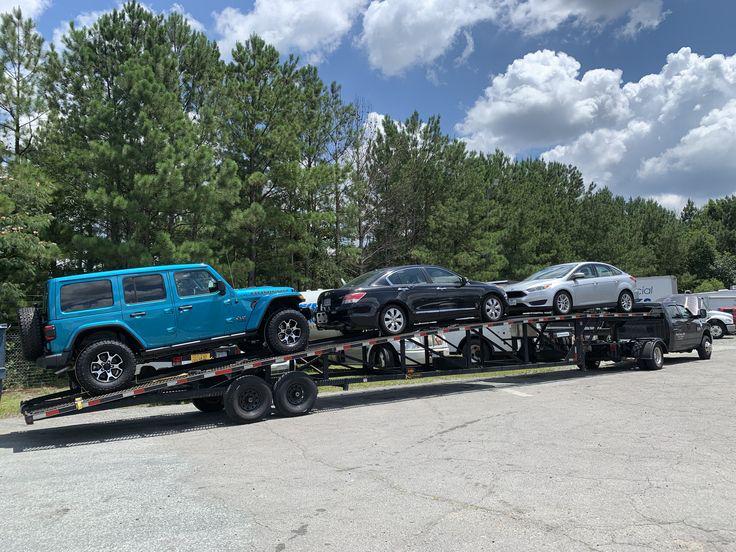
Real shipments handled by the UWON Carriers nationwide network.